-
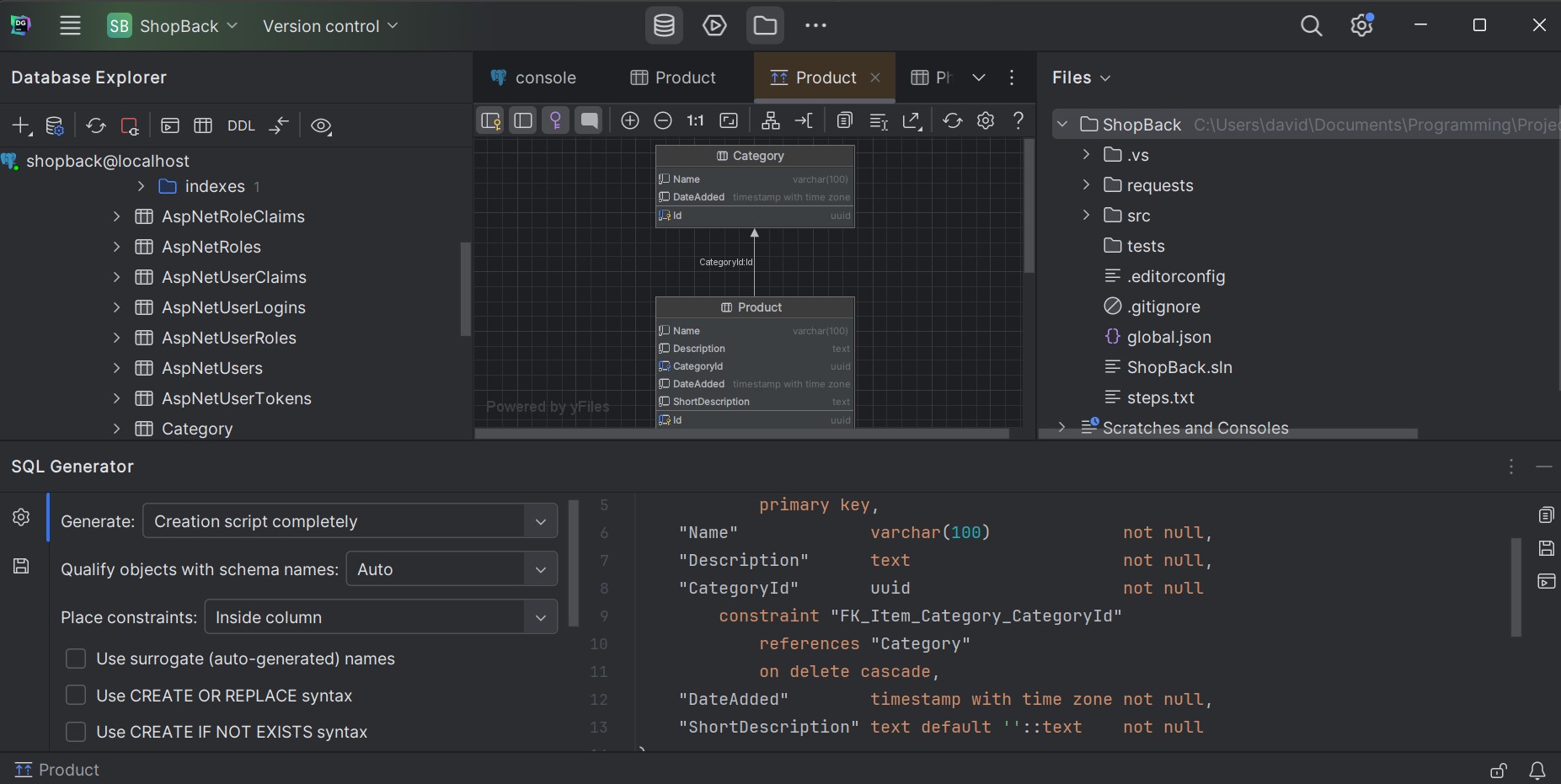
Entity Core Error: Constraint “FK_Product_Category_CategoryId” of relation “Product” does not exist
I was using .NET Entity Core for my .NET WebApi project. A table called Product had a one-to-one relationship with a table called Category. I wanted to change it so that instead it was a many-to-many relationship. When I did so I got an error: constraint “FK_Product_Category_CategoryId” of relation “Product” does not exist I went…
-
.NET MAUI – Locking Orientation into Portrait or Landscape
This is a tutorial that shows how to lock your .NET MAUI app into a particular orientation.
-
.NET MAUI Different layouts for Portrait vs Landscape
.NET Maui allows you to create views for your applications pages but you might run into the problem where you have an app that has a page(s) that are really crowded with Controls. The page looks find on portrait orientation but when you switch to Landscape your Controls run over the portion of the page…
-
Using CommunityToolkit.MAUI in your .NET MAUI project to simplify your code.
You can use the CommunityToolkit.MAUI library to simplify your .NET MAUI code.This library has simple annotations that allow you to annotate a property for commands and observable properties for your Controls which makes it so that you don’t have to define all of the boilerplate code that are typically required for commands and observable properties.…
-
Adding Local Database ORM Extensions to Your .NET MAUI Project
.NET MAUI has a great tutorial on how to add a local database to your .NET MAUI project. The tutorial shows how to add sqlite-net-pcl library to your NuGet packages. This provides a lightweight ORM that does extremely basic ORM capabilities. We won’t cover that here, but in this post we will be covering how…
-
Using Dependency Injection for your .NET MAUI Project
As we mentioned in our tutorial on setting up your project using a MVVM software engineering pattern, you will use a ViewModel to put your business logic into and bind that to the code behind of your view. The above example doesn’t instantiate a new ViewModel object. As you can see the ViewModel is provided…